


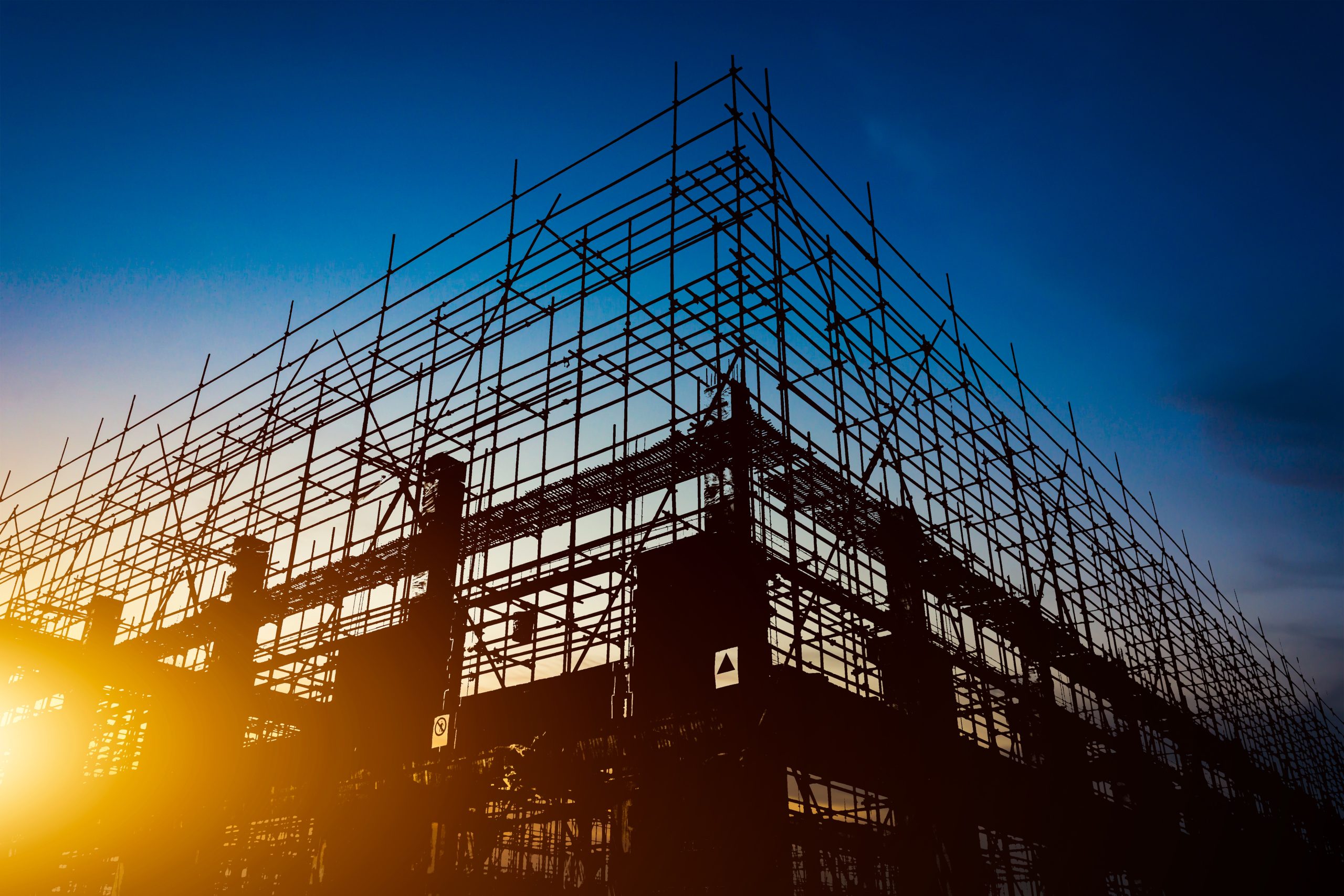
İnşaat PRO: Modern and Innovative Construction Projects
İnşaat Projects
In the modern world, as urbanization accelerates, construction activities have also undergone significant development. These investments, which enable people to improve their living spaces and realize their urbanization vision, not only meet housing needs but also significantly shape the social and cultural structure. At the same time, there are several factors that need attention during the project phase. Proper planning, environmental impact assessment, and sustainability criteria play a critical role in completing projects successfully. Keeping up with innovations in the construction sector is always the key to staying one step ahead.
Key Points
- Construction investments accelerate with urbanization.
- Proper planning and environmental assessment are essential for successful projects.
- Following innovations in the construction sector is important.
Essential Strategies for Successful Construction Investments
For a successful architectural project, careful planning and effective communication are crucial. However, these alone are not enough. Every stage, from site evaluation to the selection of sustainable building materials, must be handled meticulously. Effective project management is critical to overcoming challenges. By analyzing competitors’ approaches and learning from them, you can develop your own construction plans. Innovation should not be avoided, as modern technologies can influence processes and accelerate work. Transparency and reliability should be prioritized to enhance client satisfaction, keeping clients informed at every stage. Additionally, risk management must not be overlooked; preparedness for unexpected situations is essential. Ultimately, the success of architectural activities can be achieved by combining planning, management, client relations, and innovative solutions.
Ways to Improve Cost Management in Construction Processes
Improving cost management in high-quality projects requires various strategies. First, detailed budget planning at every stage is crucial. Learning from past experiences can help anticipate expenses better. It is also important to ensure that materials are both high-quality and reasonably priced. Establishing good relationships with suppliers can increase discounts. Workforce planning also plays a decisive role in cost management. Optimizing working hours can reduce costs. Leveraging technology, such as digital management tools for comprehensive investments, can make the process more efficient. Software solutions allow effective management of materials, labor, and time. Thinking long-term rather than short-term allows better cost control during architectural implementations.
Impact of Green Building Technologies on the Construction Sector
Green building technologies offer innovative approaches focused on sustainable energy and resource management. These technologies maximize energy efficiency while minimizing carbon emissions and waste, reducing long-term costs. Green buildings also enhance health and quality of life, prioritizing user comfort. Implementing natural lighting and ventilation systems is a key aspect. Widespread adoption of these methods encourages the development of innovative infrastructure for modern facilities. Although immediate adoption can be challenging, the long-term benefits contribute significantly to project success, particularly by reducing energy costs.
Urban Transformation and the Future of the Construction Sector
Urban transformation stands out as one of the most dynamic areas in construction, aiming to enhance city living and create more livable spaces. Newly developed buildings not only renew structures but also consider environmental sustainability and technological integration. Rapidly increasing urban investments in various regions of Turkey aim to provide modern earthquake-resistant buildings. These plans must be flexible to respond to changing population needs. Technology will inevitably play a larger role, as smart urbanization and innovative approaches are integral to urban transformation. Social impact assessments and the preservation of historical structures must also be considered during project planning. Success in comprehensive projects depends on integrating multiple disciplines under one umbrella.
Advantages of Choosing İnşaat PRO
Choosing İnşaat PRO is a strategic step toward successful, high-quality building completion. Their expert consulting services prevent unnecessary errors during the planning phase, saving both time and costs. The engineering team meticulously examines every detail, ensuring full compliance with safety standards. Technological solutions enhance efficiency during construction. Their integration capabilities guarantee timely project delivery. Commitment to sustainability minimizes environmental impact. Continuous support at every project stage builds trust with investors and stakeholders. For large-scale investments, their comprehensive solutions help overcome any challenge. Considering these advantages is crucial for ensuring the future success of your investments.
Innovative Construction Techniques Enhancing Building Safety
Building safety has become one of the most critical aspects of construction, aiming to reduce the impact of natural disasters like earthquakes and extend building lifespan. Innovations, especially the discovery of new materials, are progressing rapidly. High-strength concrete and steel combinations increase durability. Modular construction techniques, including prefabricated elements, save time and speed up project completion. Smart building systems are also vital, using sensors and technology to identify risks early and implement necessary precautions.
How Are Quality Control Processes Managed on Construction Sites?
Managing quality control in high-quality projects is crucial for success. Continuous monitoring at every stage is essential. Quality control spans from planning to implementation. Key steps include:
- Material Quality: Ensuring materials meet construction standards.
- Inspection and Testing: Regular field inspections and tests to ensure standards are met.
- Corrective Actions: Promptly addressing quality issues ensures effective management and successful outcomes. Neglecting quality control can negatively impact project cost and duration.
How Digital Transformation Is Changing the Construction Sector
Digital transformation is reshaping the world through accelerating technological progress. In construction, its impact is profound. Project management software and digital tools enhance planning and scheduling efficiency. Real-time updates prevent errors. AI-supported systems play a key role in risk management. Smart building solutions increase energy efficiency and sustainability. Digitalization opens new horizons not only for large-scale but also small- and medium-scale projects. Although adoption takes time, its benefits are undeniable. The construction sector is entering a new era with digital transformation.
Risk Management in the Construction Sector: Potential Problems and Solutions
The success of construction investments depends on effective risk management. Common problems include budget overruns, delays, and quality control issues. A well-developed risk management strategy can address these challenges. Conducting risk analyses identifies potential threats. Detailed assessments at the beginning help contractors anticipate obstacles. Keeping communication channels open ensures rapid problem resolution. A comprehensive planning process involving all stakeholders and regular coordination meetings is essential for solutions.
Conclusion
Construction projects are increasingly integral to modern life. They have significant economic and social impacts, and proper planning can enhance quality of life. Sustainable and environmentally conscious approaches are crucial. Adopting innovative and mindful strategies will ensure construction projects benefit individuals and society.
Frequently Asked Questions
Necessary permits typically include building permits and occupancy certificates, with additional approvals like environmental impact assessments (EIA) as needed.
Yes, expert support is essential for design and safety compliance.
Budgeting considers materials, labor, permits, and unforeseen expenses for comprehensive cost analysis.
Construction time depends on project size, technical challenges, workforce, and external factors like weather.
Materials are chosen based on durability, cost, aesthetics, and eco-friendliness, often with expert consultation.
Typically includes worker safety insurance, building insurance, and third-party liability insurance.
Sustainable practices involve energy efficiency, recyclable materials, and environmentally friendly construction methods.
Design, planning, permits, construction, and final inspection/delivery.
Legal compliance, infrastructure assessment, and community acceptance.
Detailed analysis of land conditions, infrastructure, and local regulations is critical.